Plumbing is integral to our daily lives, yet its environmental impact often goes unnoticed. From the water we use to the systems that heat and transport it, every aspect of plumbing plays a role in our environmental footprint. In this article, we’ll explore how plumbing choices can impact the environment and how homeowners can make more sustainable decisions.
Understanding the Environmental Footprint of Plumbing
In residential and commercial settings, plumbing systems significantly contribute to water and energy consumption. The way we use water, the efficiency of our plumbing fixtures, and the energy sources we use for heating water are critical factors in this equation.
Water Usage and Conservation
Water is a precious resource, and its scarcity is an increasing concern globally. Traditional plumbing systems can be significant water wasters, with leaks and inefficient fixtures leading to unnecessary water consumption. For instance, a dripping tap can waste thousands of litres of water annually, and older toilet models use more water per flush compared to newer, more efficient designs.
Energy Consumption and Greenhouse Gas Emissions
Heating water for domestic use, such as showers and washing dishes, is a significant energy consumer in homes. This energy use contributes to greenhouse gas emissions, especially when fossil fuels are the primary energy source. Moreover, inefficient plumbing systems require more energy, exacerbating their environmental impact.
How Homeowners Can Make a Difference
As a homeowner, making sustainable plumbing choices can profoundly impact your environmental footprint and utility bills. Here are some actionable steps you can take:
1. Upgrade to Water-Efficient Fixtures
Installing low-flow toilets, showerheads, and taps can dramatically reduce water usage. These fixtures are designed to provide the same functionality while using a fraction of the water. For example, a low-flow showerhead can save up to 50% of the water used in a standard shower.
2. Fix Leaks Promptly
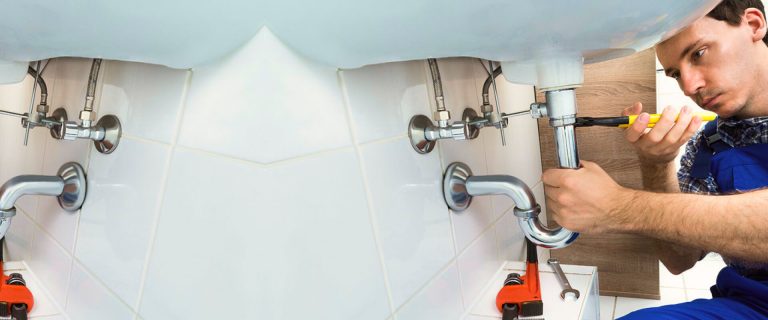
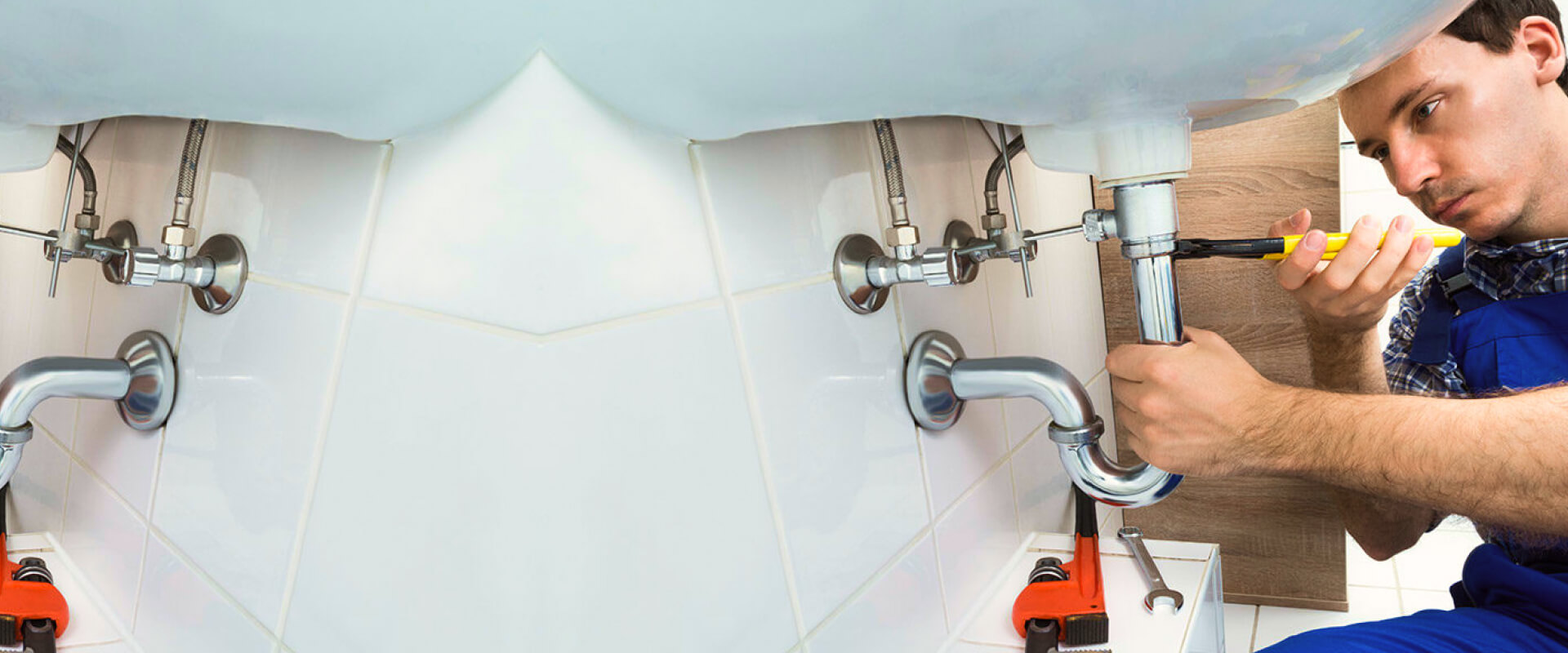
A small leak might not seem like a big deal, but over time, it can waste considerable water. Regularly check your plumbing for leaks and address them promptly. Sometimes, a simple washer replacement can save thousands of litres of water.
3. Opt for Energy-Efficient Water Heating Solutions
Consider upgrading to more energy-efficient water heating solutions like solar water heaters or heat pump systems. These alternatives use renewable energy sources or are more efficient in converting energy to heat, reducing your carbon footprint.
4. Be Water-wise
Simple behavioural changes can make a big difference. For example, turning off the tap while brushing your teeth, taking shorter showers, and using water-saving cycles on dishwashers and washing machines can significantly reduce water usage.
5. Regular Maintenance
Regular maintenance of your plumbing system ensures it operates efficiently. This can involve routine inspections, cleaning, and servicing your plumbing fixtures and appliances.
Conclusion
As we navigate towards a more sustainable future, we must recognise our plumbing choices’ role in environmental conservation. We can significantly reduce our environmental footprint by making conscious decisions about how we use water and the types of fixtures and systems we install in our homes. At Green and Gold Plumbing and Gas, we’re committed to helping our clients on the Sunshine Coast make informed, eco-friendly choices. Together, we can make a difference, one drop at a time.
Green and Gold Plumbing and Gas is dedicated to providing sustainable plumbing solutions. Contact us to learn how you can make your home more environmentally friendly.