Owning an older home in Australia comes with its unique charm and a set of challenges, especially when it comes to plumbing. The Sunshine Coast has many older properties that can harbour plumbing problems that aren’t just inconvenient but potentially costly. Here’s a look at some common plumbing issues in older homes and expert advice on how to handle them.
1. Outdated Piping Materials
Many older homes were built with galvanised steel, cast iron, or even lead pipes, materials that are far from ideal by today’s standards. Galvanised pipes are prone to corrosion and clogging, while lead pipes pose serious health risks.
How to Fix:
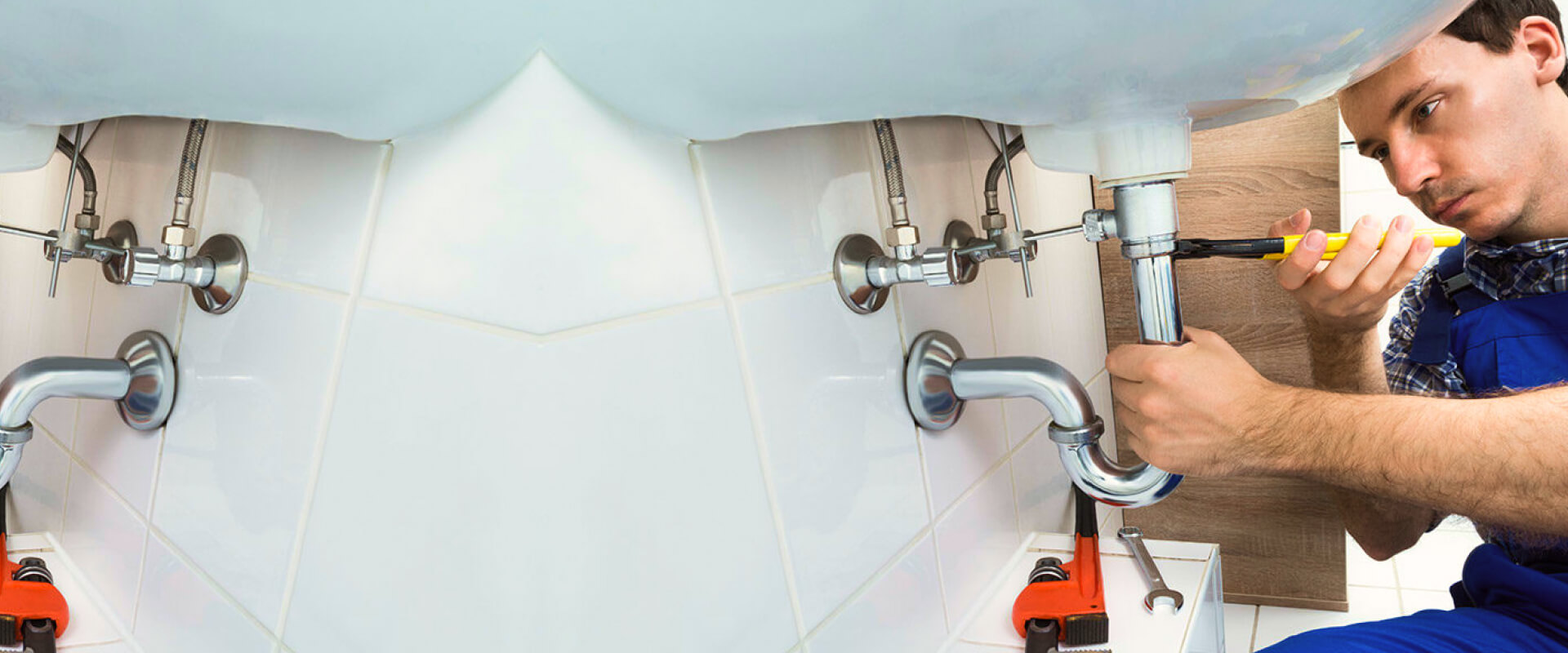
Replacing old pipes is a job for a professional. Upgrading to copper or PVC piping not only enhances water quality and flow but also increases the property’s safety and value. If you suspect your home has outdated materials, a licensed plumber can conduct a thorough inspection and recommend the best course of action.
2. Corrosion and Pipe Degradation
Over time, exposure to water and minerals can cause pipes to corrode, leading to leaks, bursts, and water contamination. Corrosion is especially common in homes over 50 years old.
How to Fix:
Regular inspections can catch early signs of corrosion. If corrosion is found, the affected section of piping often needs to be replaced. For homes with extensive corrosion, a complete plumbing overhaul might be necessary. It’s crucial to consult with a plumbing expert to understand the extent of the issue.
3. Tree Root Intrusion
Older neighbourhoods usually have mature trees whose roots can intrude into pipe lines, causing blockages or damage. This is particularly problematic for sewer lines, where roots seek out water sources.
How to Fix:
A plumber can use a specialised camera to inspect sewer lines for root intrusion. If roots are a problem, methods like root cutting or hydro-jetting can clear the obstruction. In severe cases, part of the pipe may need replacing. Consider root barriers around the piping to prevent future issues.
4. Inadequate Water Pressure
Low water pressure in older homes can be due to various factors, including corroded water lines, sediment build-up in pipes, or outdated fixtures.
How to Fix:
First, check if the low pressure is isolated to one area or throughout the house. Replacing old fixtures can sometimes resolve the issue. However, if the problem is more widespread, it might be due to sediment or corrosion. Flushing the system or replacing the affected pipes usually restores normal pressure. Again, a professional assessment is advisable.
5. Outdated Fixtures
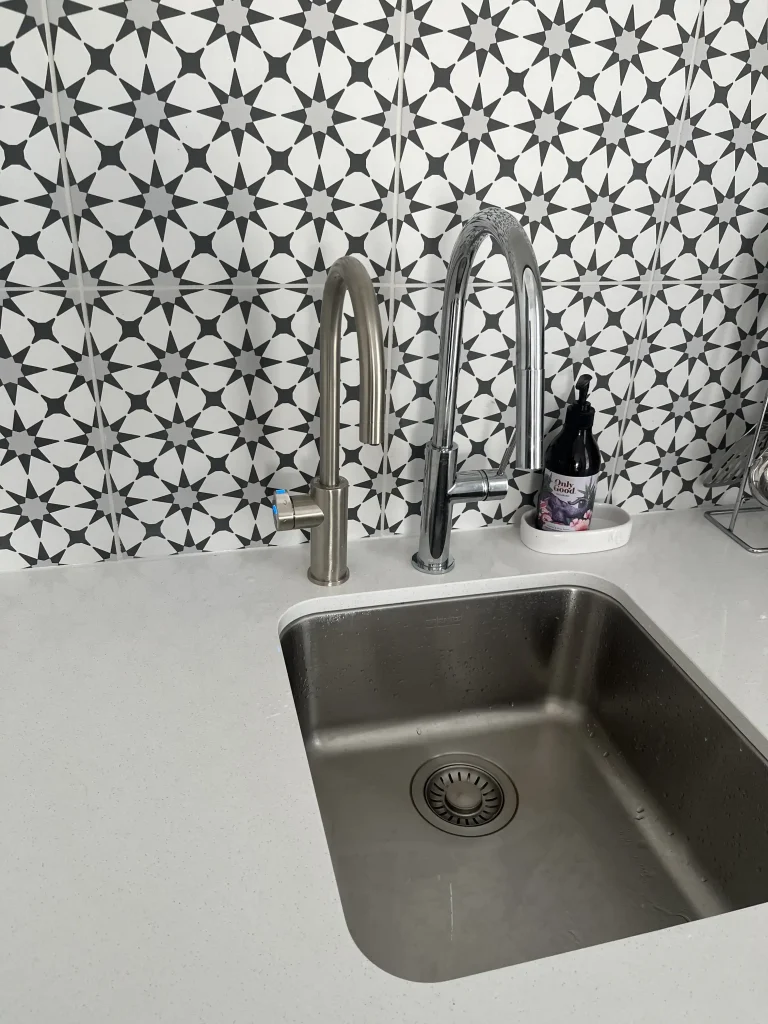
Older homes often feature fixtures that are not only visually dated but functionally inefficient. This includes everything from toilets and taps to showerheads and washing machine hoses.
How to Fix:
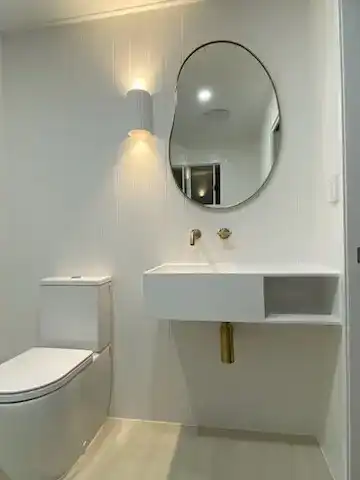
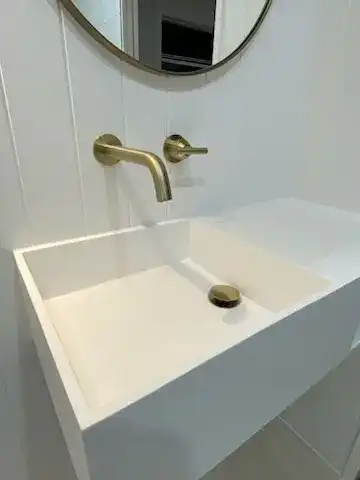
Updating these fixtures can improve both water efficiency and the aesthetic appeal of your home. Modern fixtures are designed to conserve water, which can significantly reduce your water bill and lessen your environmental impact.
Conclusion
Maintaining the plumbing in an older home requires a proactive approach. Regular checks and updates are key to preserving these beautiful properties. If you’re facing plumbing issues in your older home, it’s best to call on experienced professionals like Green & Gold Plumbing & Gas. With the right expertise, even the most daunting plumbing problems can be resolved, ensuring that your home’s character is maintained while its functionality is enhanced.
Addressing these issues not only improves your home’s daily functioning but also protects its long-term value. For assistance with any plumbing problems or to schedule an inspection, feel free to contact the experts at Green & Gold Plumbing & Gas. We’re here to help ensure that your home’s plumbing is in top condition.